
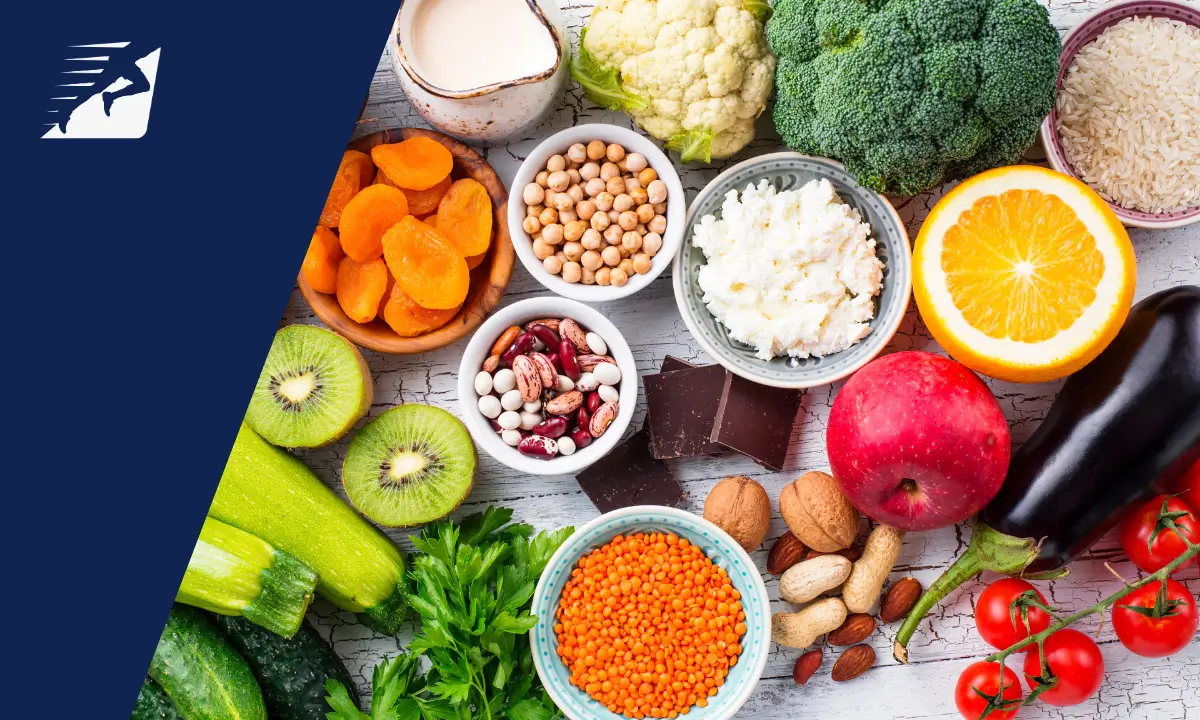
Runners' nutrition significantly influences their performance and recovery.
While many athletes pay attention to macronutrients, the Glycemic Index (GI) plays a crucial role in choosing the right foods.
A deeper understanding of this index can make the difference between average and outstanding performance.
What does Glycemic Index mean
The Glycemic Index (GI) is a measurement that indicates how quickly the carbohydrates in a food raise blood sugar levels.
The GI ranges from 0 to 100, with higher values indicating a faster increase in blood sugar. This scale helps understand how different foods affect blood sugar, which is especially important for athletes to efficiently manage energy levels.
Foods with a high GI, such as white bread and sugar, are digested quickly and converted into glucose, causing a . In contrast, foods with a low GI, such as whole grains and legumes, are digested more slowly, providing a steadier release of energy. This distinction is crucial for runners, as choosing the right foods can significantly affect endurance and recovery.
How is the GI calculated?
The Glycemic Index is calculated using a standardized test that compares the effect of a specific food on blood sugar with the effect of a reference amount of glucose. The steps include:
- Participant intake: A group of participants consumes a set amount of the test food, typically containing 50 grams of available carbohydrates.
- Blood sugar measurement: Blood sugar is measured at regular intervals after consumption, usually every 15 to 30 minutes over 2 hours.
- GI calculation: The resulting blood sugar values are plotted over the test period. The GI of the food is calculated by comparing the area under the blood sugar curve of the test food with the area under the glucose curve.
GI values are usually published in tables and help understand how different foods affect blood sugar. It is important to note that GI can be influenced by factors such as preparation methods and combination with other foods.
Which foods have a very high Glycemic Index?
Foods with a high Glycemic Index are those that cause a rapid rise in blood sugar. Here are some examples:

- White bread: With a GI of about 70-80, white bread rapidly increases blood sugar.
- Rice: Especially white rice, often over 70 GI, while brown rice has a moderate GI.
- Sugary drinks: Drinks like soda and fruit juices have very high GI due to high sugar content.
- Mashed potatoes: Can also reach around 80 GI, causing rapid blood sugar increases.
GI of foods and drinks relevant for runners:
| Food | Glycemic Index (GI) |
|---|---|
| Glucose | 100 |
| Energy gels | 80-90 |
| Sports drinks | 70-90 |
| Mashed potatoes | 80 |
| Gummy bears | 70-80 |
| White bread | 70-80 |
| Rice (white) | 70-80 |
| Energy bars | 60-70 |
| Fruit juice | 60-70 |
| Cola | 60-65 |
| Whole grain bread | 50-60 |
| Rice (brown) | 50-55 |
| Oats | 50 |
| Banana | 55 |
| Apple | 35 |
Choosing high GI foods can make energy quickly available but may also cause rapid blood sugar drops, leading to fatigue. For runners, this can be advantageous in certain training phases where fast energy is needed.
Why is the GI interesting for marathon runners?
For marathon runners, the Glycemic Index plays a dual role. High GI foods before and during the race can quickly provide needed energy, while blood sugar management is crucial for endurance and avoiding energy depletion. Our advice for nutrition management before long runs:
Before the marathon
Eating high GI foods before a marathon can help quickly refill muscle glycogen stores. This "carb-loading" practice helps store energy needed for the race. Examples include white bread or rice cakes in the hours before the run. However, glycogen stores should already be fully filled in the days leading up to the race, so GI plays a secondary role before the marathon. Ideally, foods with medium to low GI are preferred.
During the marathon
During the marathon, gels or sports drinks with high GI are used to supply quick energy. These products are designed to stabilize blood sugar during intense activity. They should be used carefully to avoid stomach issues or too rapid blood sugar spikes.
In the first phase of the race, medium GI foods (e.g., a banana) are ideal, as there is enough time for energy to be released. In the second half, high GI foods and drinks should be consumed.
After the marathon
Post-race nutrition should focus on low to medium GI foods to ensure steady and sustainable recovery, supporting regeneration and stabilizing blood sugar.

Immediately after intense sessions like interval training or tempo runs, high GI foods are allowed (but not exclusively) to quickly refill energy stores.
What are the advantages and disadvantages of a high Glycemic Index?
Including high GI foods in your diet has both advantages and disadvantages.
Advantages
- Rapid energy supply: High GI foods provide fast energy, useful during intense physical activity.
- Performance optimization: Short-term intake of high GI foods can improve endurance performance by supplying quickly available energy.
- Ease of use: Products like sports drinks and gels are easy to consume and provide immediate energy without preparation.
Disadvantages
- Blood sugar fluctuations: High GI foods can cause rapid spikes and drops in blood sugar, leading to fatigue and energy shortage. Consuming too much too early in a marathon can cause hitting the wall in the final third of the race.
- Lack of long-term energy: Quick energy release is often short-lived, leading to a rapid decline after the initial spike.
- Health risks: Long-term high GI diets can increase the risk of diabetes and heart disease.
Choosing the right foods is crucial for balanced nutrition and optimal athletic performance. Both advantages and disadvantages of high GI foods should be considered to achieve the best results.
Summary
The Glycemic Index plays an important role in runners' nutrition, affecting how quickly carbohydrates raise blood sugar. Foods with high GI provide fast energy, useful before and during intense activity, but also carry the risk of blood sugar fluctuations and long-term health issues. A balanced diet including both high and low GI foods is essential for performance and recovery in marathon runners. Proper use of GI can help optimize athletic performance and support recovery.



Kommentar schreiben