
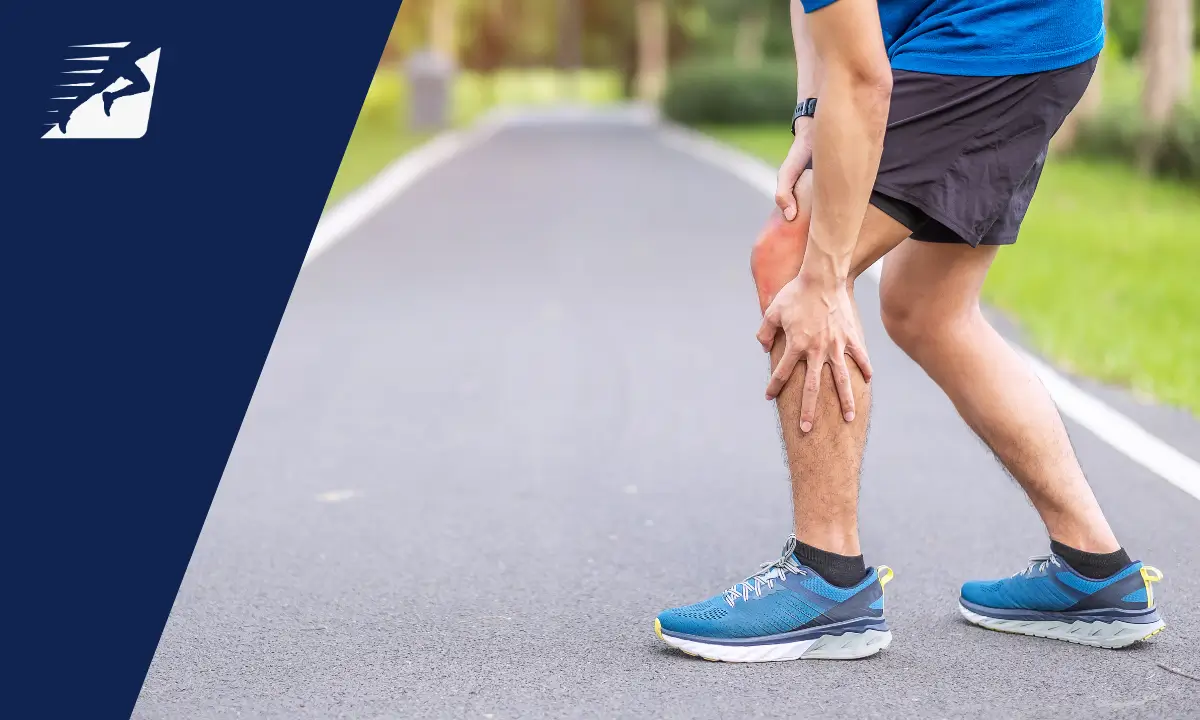
One of the most persistent myths about running is the claim that running is bad for the knees.
But this statement is more than just wrong. Running actually has numerous positive effects on our knees. This applies not only to recreational runners but also to marathon runners who reach a training volume of over 100 kilometers per week in some cases.
Is Running Really Bad for the Knees?
Of course, running puts above-average stress on the knees at the moment of foot strike. For every kilometer, we take hundreds of steps, each time applying strong forces to the foot and the entire leg, including the knee.
However, this stress is not automatically harmful to the knees. The same would apply to any sport that intensively stresses a particular body part. Naturally, running training can also lead to knee injuries, such as the classic runner's knee. But the risk of unexpected injuries is far outweighed by the long-term positive effects running has on our body and consequently on our knee joint.
The Positive Effects of Running on Our Knees
The fact that running has positive health effects on the knee joint has now been scientifically proven. In a multi-month study, 80 people training for a marathon were examined. Participants were recreational athletes with an average age of 45.
The knee was tested before the marathon training and two weeks after the marathon, when the body had almost fully recovered and the health benefits of marathon training could take effect.
And this was indeed observed regarding the knees: not only were fewer damages in the knees detected, but there was also a reduction of bone marrow damage. Even potential cartilage damage showed improvement in the runners.
In summary, the main scientifically proven health benefits of running for our knees:
- Prevention of various damages in the knee joint
- Reduction of bone marrow damage
- Reduction of cartilage damage
- Reduction of risk of osteoarthritis
- Strengthening of the knee, which leads to lower injury risk in the long term, both during sports and in everyday movements or stress on the knee joint.
Tips to Strengthen the Knee Through Running
Additionally, runner-specific strength training can strengthen the knee, increase stability, and further reduce injury risk.
Well-cushioned running shoes can also reduce knee stress but should not be used exclusively for training, as reduced stress on the knee decreases training and stability effects. Over time, knees may not become as robust as those of runners who also train without heavily cushioned shoes.
It is also highly recommended to run regularly on surfaces other than asphalt, such as forest and grass, gravel, or trails. On these surfaces, forces on the knee are reduced, and running on trails additionally improves stability.



Kommentar schreiben